Mending Britain Together: Communities Powered by Repair Rights
What the Rules Actually Guarantee
Spare Parts and Tools Access
Manufacturers must make specific parts available for defined periods, sometimes up to a decade, with certain components accessible to consumers and more complex items reserved for qualified professionals. This balance aims to protect safety while expanding practical access. Yet availability can vary by model, and prices may fluctuate with supply. Knowing your appliance’s exact part numbers, compatible alternatives, and trustworthy distributors helps avoid dead ends. Share your sourcing tips below to strengthen our collective parts‑finding playbook.
Repair Information and Manuals
Access to service documentation can make or break a community repair. The rules encourage transparency, but many manuals still sit behind paywalls or professional portals. Community groups often bridge gaps with shared notes, teardown photos, and troubleshooting flowcharts. Before you open a device, check whether official guidance, exploded diagrams, or safety advisories exist. If documentation is restricted, consider partnering with accredited repairers who can legally access it and support safer learning. Tell us which guides helped you most and why.
Durability, Updates, and Ecodesign Momentum
Policy increasingly looks beyond quick fixes toward design for longevity: standardized fasteners, modular assemblies, and software update commitments that don’t brick older hardware. While the UK’s approach evolves in parallel to European ecodesign measures, community voices help steer ambition. Keep receipts, track firmware lifecycles, and favor brands publishing repair instructions publicly. When regulation and consumer demand align, durable designs become normal, not niche. Comment with your durability heroes and the features that truly simplified your last repair journey.
Community Energy: Repair Cafés and Fixing Factories
A Saturday Story from the Workbench
A visitor arrives with a silent kettle, certain it’s destined for recycling. Together we check the fuse, inspect the base contacts, and spot a fatigued power lead. Ten minutes, one replacement cable, and a smile later, countless future cups are saved. The fix cost pennies, but the conversation—about safety checks, heat damage, and strain relief—was priceless. Share your own small‑win stories below; they encourage newcomers and remind seasoned fixers why these gatherings matter so much.
Fixing Factories and Local Partnerships
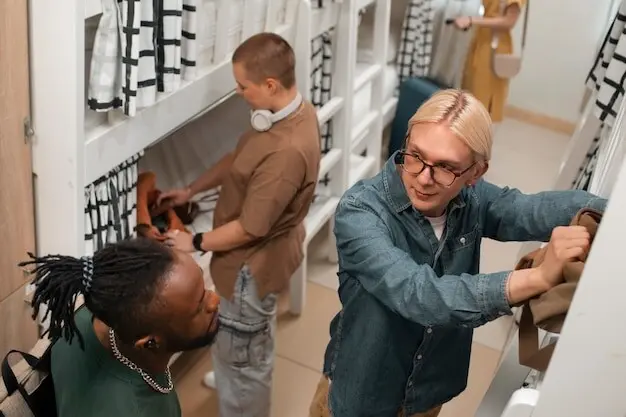
Purpose‑built hubs in London and beyond combine skilled volunteers, trainees, and partners to tackle laptops, small appliances, and e‑waste triage at scale. Clear intake forms, data‑erasure steps, and parts stockpiles streamline each repair journey. Collaborations with councils, charities, and colleges create pathways into green jobs while diverting usable devices to households in need. If your area lacks a hub, start by mapping allies, tapping library rooms, and piloting pop‑up sessions. Momentum grows when roles feel welcoming and clear.
Designing for Disassembly and Longevity
Economic and Environmental Wins
01
Emissions You Don’t See
A phone’s glitzy unboxing hides the mining, refining, and logistics that got it there. Studies suggest manufacturing can dominate lifetime impacts, especially for electronics. Extending a device’s life by even one year slashes its annualized footprint. Measure your impact using repair calculators, then celebrate each avoided purchase. Post your before‑and‑after stories below, including the tools or tips that made the difference. Data turns quiet personal victories into persuasive collective momentum for policymakers and brands watching closely.
02
Jobs and Local Enterprise
From mobile technicians to specialist board‑level troubleshooters, repair sparks livelihoods that blend craft and technology. Apprenticeships, community workshops, and social enterprises open doors for young people and career‑switchers alike. Partnerships with colleges create training pipelines aligned with real demand. If you run a micro‑business, offer a behind‑the‑scenes look: turnaround times, common parts you stock, and the joys and headaches of supplier relationships. Your practical insights guide aspiring entrepreneurs and shape supportive local policies that reduce hurdles.
03
From Waste to Parts
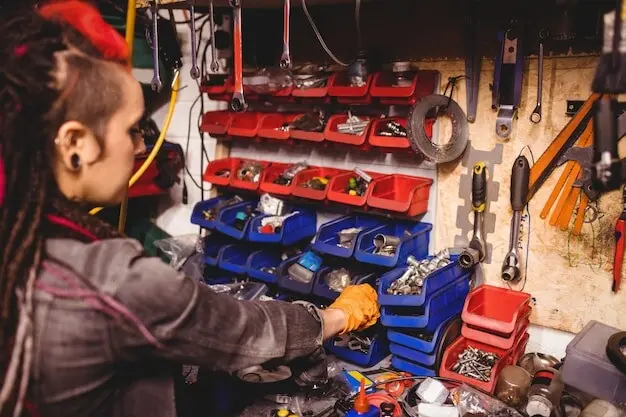
Responsible salvaging can rescue rare buttons, trays, or boards from otherwise end‑of‑life devices, extending support for models no longer supplied. Work within WEEE rules, log serials, and test thoroughly to ensure safety and traceability. Community‑run parts libraries reduce downtime by matching components quickly to common failures. If you’ve built a bin of donor devices, share your labeling system and storage hacks. Thoughtful reuse ties environmental care to practical convenience, proving circularity thrives when organization meets generosity.

Mobiles and Laptops: The Elephant in the Room

Data, Security, and Trust by Design
Standards, Labels, and Smart Incentives
Get Involved Today
Find or Start a Local Meetup
Search maps of Repair Cafés, Fixing Factories, and tool libraries near you. If nothing’s listed, gather allies: a librarian, a councillor, a college tutor, and a couple of seasoned tinkerers. Pilot a two‑hour session with clear intake forms and safety roles. Photograph successes, track outcomes, and iterate. Share your launch checklist below so others can replicate quickly. Small starts compound, and soon Saturdays feel different—buzzing with curiosity, kindness, and that unmistakable click when something broken springs back to life.
Skill Up with Guides and Friends
Pair official manuals with community walkthroughs and teardown videos to build confidence. Begin with low‑risk items—lamps, headphones, drawer runners—then level up. Keep a notebook of screw lengths, torque patterns, and thermal pads you encounter. Ask questions in friendly forums, and pay your learning forward by documenting tricky steps others might face. Subscribe for deep‑dive posts, and comment with the guide that unlocked your latest breakthrough. Skills shared become skills remembered, turning occasional fixes into a lifelong practice.
Speak Up for Fair Access
Write your MP with a concise personal story: the part you couldn’t buy, the manual locked away, or the battery glued until it broke the screen. Propose precise changes—reasonable parts pricing, accessible diagnostics, and long‑term update support. Encourage councils to host regular community clinics and collect data on waste avoided. Add your voice to consultations and petitions. Then report back here so we can amplify wins and learn from setbacks together. Advocacy feels better when done collectively and transparently.

All Rights Reserved.