Shared Tools, Shared Skills: Repairing the UK from the Ground Up
Today we explore Tool Libraries and Makerspaces: Infrastructure for Grassroots Repair Across the UK, celebrating how borrowing drills, booking benches, and learning side‑by‑side with volunteers helps neighbors fix what they own, reduce waste, and stretch budgets. From bustling urban hubs to quiet coastal towns, this movement transforms broken things into working stories, reconnects people with practical know‑how, and strengthens community pride. Join in, ask questions, and tell us what you’re eager to fix next.


Why Shared Workshops Change Everything
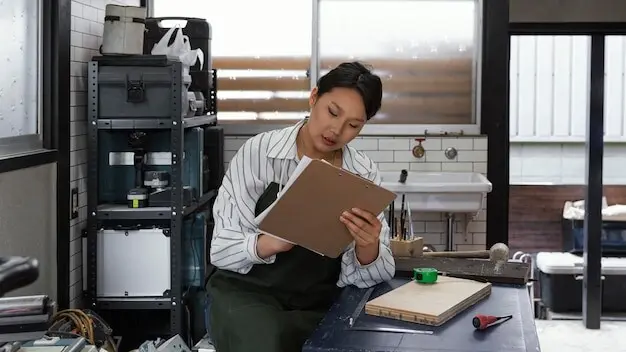
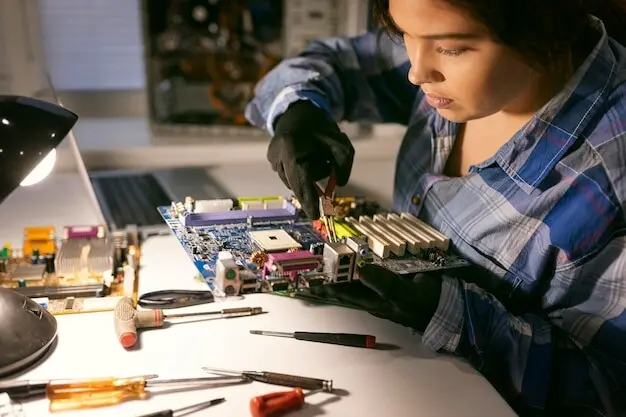
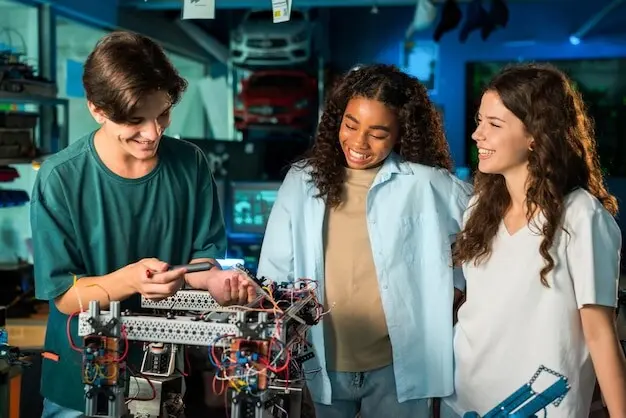
Across Britain, shelves of neatly labeled tools and welcoming benches invite people to repair before replacing, learn without judgment, and collaborate across generations. These places prove sustainability can feel friendly, affordable, and hands‑on, not theoretical. Whether you’re tightening a wobbly chair or rebuilding confidence after a failed attempt, guidance, parts, and patience turn anxiety into skill. The result is dignity restored, money saved, and landfill diverted through everyday, practical action that anyone can join.
Finding Your Nearest Bench and Borrow Shelf
Locating a nearby tool library or makerspace is easier than ever if you know where to look and what to ask. Start with national directories, local community forums, and council newsletters; then confirm opening hours, induction requirements, and membership options. Many spaces advertise themed repair nights, from small appliances to bikes. Reach out, share what you want to learn, and you’ll often receive tailored guidance, friendly introductions, and an invitation to visit before committing.
Safety, Care, and Confidence
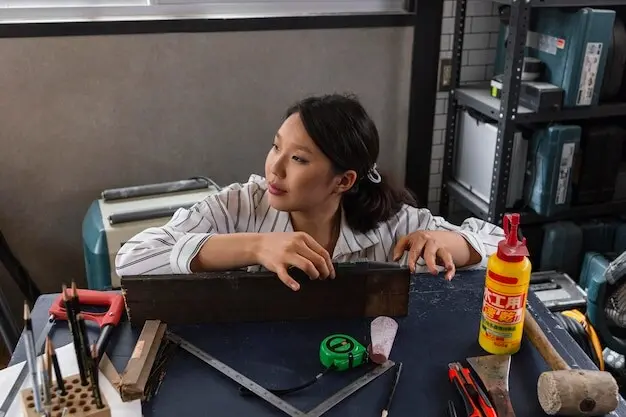
Clear guidance turns intimidating tools into approachable companions. Inductions cover protective gear, dust extraction, emergency stops, and the simple rituals that keep blades sharp, cords intact, and benches tidy. Careful supervision encourages calm pacing and mindful checks before switching on. Over time, habits become second nature: measuring twice, clamping properly, and pausing when uncertain. Confidence grows not from bravado but from respectful repetition, shared checklists, and a culture where asking for help is celebrated.
Stories from UK Communities
Real moments bring the movement to life: a grandmother reattaching a vacuum hose and laughing with relief; a teenager designing a missing gear and printing it in bright green; a neighbor cycling home on newly trued wheels. From Edinburgh to Liverpool, practical generosity shines. Each fix becomes an invitation to share knowledge, return borrowed tools promptly, and mentor the next visitor. These stories travel faster than adverts, carrying encouragement, warmth, and believable hope.
Edinburgh shelves and a wardrobe rescued
At Edinburgh Tool Library, a member borrowed clamps, a plane, and patience to rescue a family wardrobe that had sagged for decades. Volunteers explained grain direction and showed how to true an edge without tearing. The repair wasn’t flashy, just steady and kind. When the doors finally closed flush, applause broke out across the room, and someone quietly logged the tools returned—clean, sharp, and ready for another modest, beautiful transformation.
DoES Liverpool and the kettle that sparked confidence
During a repair night at DoES Liverpool, a newcomer opened a kettle with trembling hands, guided by a calm mentor. They found a loose connector, learned crimping, and reassembled everything with new screws. The triumphant boil earned cheers, tea for the room, and a newfound curiosity about multimeters. By the end, the visitor joined the chat group, promising to help next time, proving how quickly confidence spreads when success is shared generously.
London benches where bikes and friendships roll
In community workshops across London, a squeaky brake led to a lesson on cable tension, pad alignment, and safe testing on a side street. Another visitor arrived with a puncture and left understanding patches, pressures, and pump types. Between fixes, people swapped commuting tips and local bakery secrets. By closing time, everyone had learned something small yet liberating: empowered riders become patient teachers, and well‑maintained bikes carry kindness as reliably as chain oil.
Keeping Doors Open: Money, Partners, and Policy
A thriving lending shelf or open workshop depends on a patchwork of income, allies, and supportive rules. Memberships, grants, pay‑what‑you‑can nights, and partnerships with councils or housing associations all help. Insurance, PAT testing, and safeguarding policies signal professionalism and trust. Volunteers remain the heartbeat, but light‑touch structure prevents burnout. With consistent communication and transparent budgets, communities rally, partner organizations invest, and the lights stay on for long, welcoming evenings of practical problem‑solving.
Funding mosaics that actually hold together
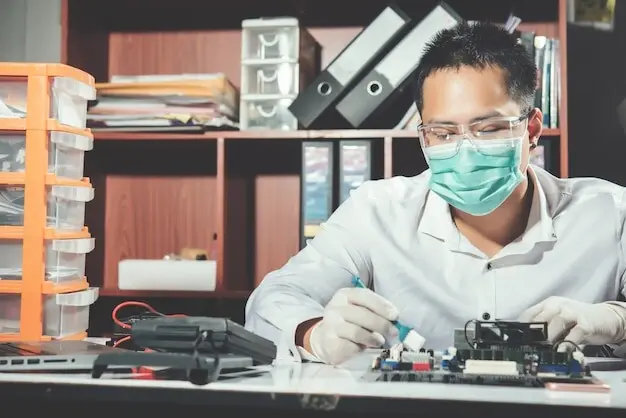
Sustainable operations rarely rely on a single source. Blending modest memberships, targeted grants, workshops for charities, and small sponsorships from hardware stores spreads risk and welcomes collaboration. Crowdfunding can finance new equipment, while repair nights generate goodwill that leads to recurring donations. Publish simple, clear financial updates to build confidence. When people see where every pound goes—consumables, maintenance, insurance—they step forward as champions, inviting friends, and protecting the project through lean seasons.
Allies in councils, libraries, and housing associations
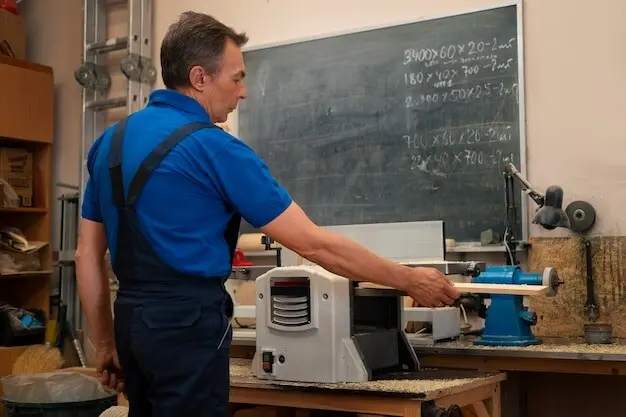
Local authorities and community libraries often share space, promote events, or host pop‑ups that bring repair closer to residents. Housing associations may sponsor tool kits for estates, reducing callouts and strengthening tenant pride. In return, workshops provide data on waste diversion and participation, supporting wider climate goals. Regular check‑ins, shared calendars, and practical case studies keep partnerships alive, proving that public interest and grassroots energy can pull in the same, hopeful direction.
Momentum from Right to Repair campaigns
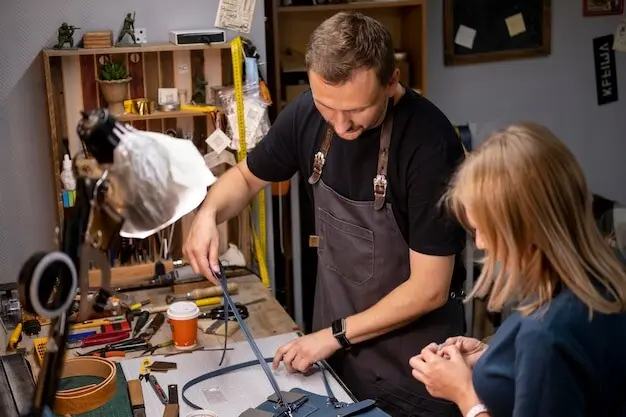
Legislative progress makes repair practical by improving access to spares, manuals, and fair diagnostics. Campaign groups, educators, and community fixers amplify each other’s work, showing policymakers that empowered citizens reduce waste meaningfully. Makerspaces then become living classrooms where new rights translate into action. Celebrate these wins, share repair data respectfully, and invite elected officials to visit. Few things persuade more effectively than a smiling neighbor holding a once‑broken, now‑working appliance.
3D printing parts that keep appliances alive
When a plastic dial cracks or a clip disappears, a photo, calipers, and a short design session can restore function. Volunteers guide measurements, propose forgiving tolerances, and select robust materials. Printing prototypes spares frustration, while shared repositories preserve successful models. Suddenly, a discontinued fitting isn’t the end—just the start of a tiny, joyful engineering story. The repaired appliance returns home, carrying a small neon‑colored reminder that creativity beats landfill every single time.
CNC routers and lasers rescuing furniture and fixtures
A wobbly shelf bracket or missing drawer face becomes an opportunity to learn CAM basics. Staff help choose sheet goods, advise safe workholding, and review toolpaths before pressing go. Lasers etch precise templates; routers carve accurate replacements. Sand, finish, reassemble, admire. The restored piece embodies patience and practice, proving advanced tools can serve humble objects beautifully. Every saved cabinet whispers that craftsmanship belongs not in galleries but in busy, grateful homes.
Workshops that welcome kids, newcomers, and cautious beginners
Family sessions and gentle introductions demystify safety, respect attention spans, and prioritize supervision. Activities scale thoughtfully: screwdriver basics, simple circuitry, soft materials, and colorful labeling. Newcomers discover the joy of achievable results, while caretakers model patient curiosity. Over time, returning participants try bolder tasks, supported by calm mentors and checklists. These sessions grow tomorrow’s repairers—confident, considerate, and capable of teaching others—ensuring the movement’s future remains bright, practical, and delightfully hands‑on.
All Rights Reserved.