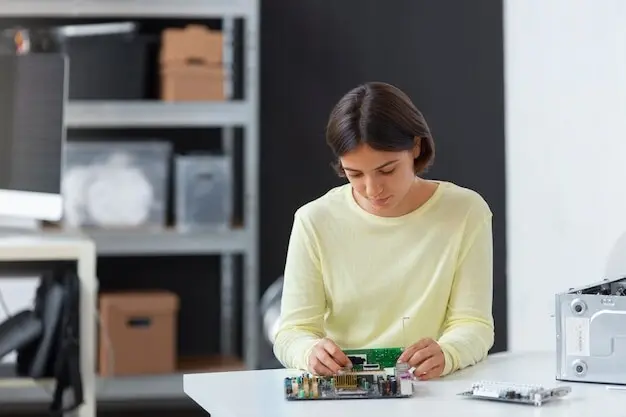
Fixing Futures: Hands-on Learning that Lasts

Today we dive into integrating repair education into UK schools and colleges by designing practical programs, energising workshops, and purposeful partnerships. Expect concrete examples, safety-first guidance, and collaborative approaches that reduce waste, build employability, and turn curiosity into confidence, while aligning with national priorities around sustainability, technical learning, and meaningful career pathways.

Why Mending Belongs in the Classroom

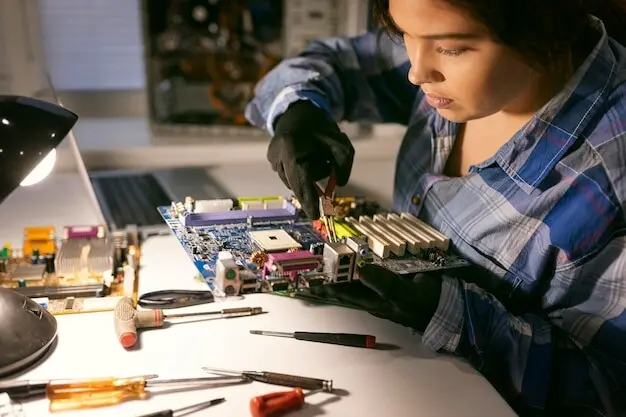
Repair cultivates problem-solving, patience, and systems thinking that textbooks rarely deliver alone. When learners diagnose faults, source parts, and bring devices back to life, they practice resilience and environmental stewardship. In the UK context, this connects strongly with sustainability goals, STEM engagement, and real-world employability, giving every student tangible wins and stories worth sharing.

A Skills Bridge to Employability

From hospitality coffee machines to stage lighting, basic diagnostics and safe handling translate into job-ready capabilities across sectors. Repair exposes students to reading service diagrams, logging faults, and communicating with customers, aligning naturally with apprenticeships, T Levels, and employer expectations that value initiative, accuracy, and calm troubleshooting under gentle time pressure.

Sustainability Students Can Touch

Discussions about climate often feel abstract until a broken laptop hinge or frayed cable becomes a teachable moment. Repair reframes waste as opportunity, reinforcing circular economy principles and the UK’s right-to-repair direction. Students see immediate environmental impact, measurable in items rescued, materials reused, and carbon avoided, while building lifelong habits of resourcefulness.

Confidence Through Careful Troubleshooting

The first successful fix changes how young people see themselves. Patience grows with each multimeter reading and iterative hypothesis. Documenting attempts normalises setbacks, and peer support becomes a superpower. This culture of thoughtful testing and reflective notes carries into coursework, interviews, and everyday life, where curiosity outperforms guesswork every single time.

Designing Programs that Fit UK Curricula

Embedding repair can start small within Design and Technology, Computing, Science, or Engineering, then scale into electives, enrichment, or cross-curricular projects. Map learning outcomes to existing frameworks, build simple progression from textiles mending to electronics diagnostics, and include reflective journals. Keep accessibility central so every learner can participate meaningfully, regardless of prior technical confidence.

Workshops that Work: Safety, Tools, and Joy

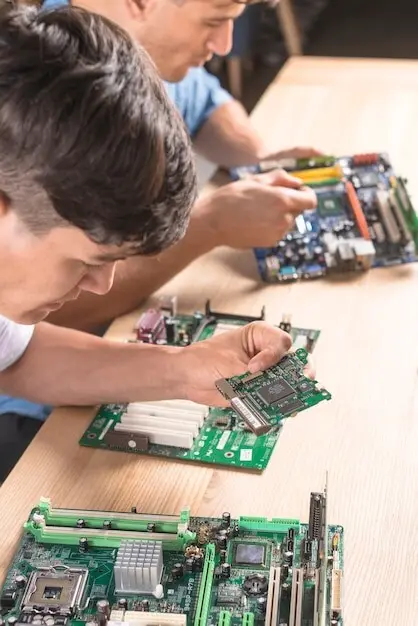
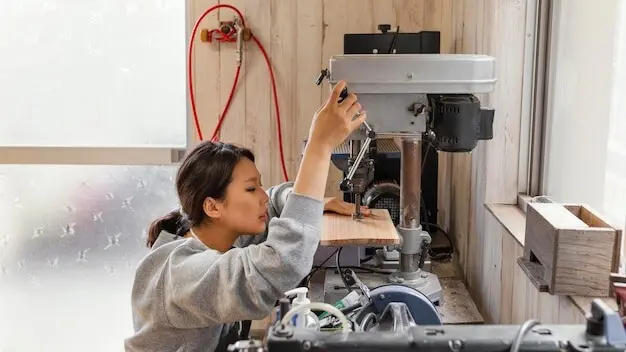
Effective workshops prioritise safety culture, smooth logistics, and learner delight. Begin with low-risk wins, model careful tool use, and scaffold complexity across sessions. Incorporate reflection breaks, visual aids, and peer mentoring. Source parts ethically and reuse responsibly. Most importantly, balance rigor with playful curiosity, so success feels shared, repeatable, and genuinely fun for everyone involved.

Partnership Power: Community, Industry, and Higher Learning

Partnerships multiply impact by providing expertise, authentic challenges, and progression routes. Collaborate with local repair cafés, libraries of things, FE colleges, and sustainability groups. Invite engineers to mentor, co-design projects, and offer site visits. Together, schools and colleges build credibility, unlock resources, and weave learners into supportive networks that extend far beyond the classroom.

The Lunch-Break Repair Club

What began with tangled leads became a bustling weekly club where students sign items in, triage faults, and leave annotated tags. Volunteers log outcomes, celebrate partial progress, and share photos with permissions. Confidence snowballs as timid newcomers learn safe handling, then courageously explain procedures to friends who never imagined they could repair anything.

From E-Waste to Showcase

A science corridor display features rescued gadgets with QR-linked process notes. Parents scan to read student reflections, part numbers, and safety steps. The exhibit reframes value, encourages donations of spares, and draws governors’ attention. Suddenly, repair becomes visible, proud, and inviting, with learners recognised as careful stewards of shared community resources.

Meaningful Metrics and Evidence

Combine quantitative data—items diverted from waste, parts reused, repair rates—with qualitative reflections, photos, and stakeholder testimonials. Log skills progression using simple rubrics. Present findings to governors and trusts, tying outcomes to curriculum intent and enrichment. Clear evidence convinces decision-makers that repair provides rigorous learning, community benefit, and responsible resource stewardship simultaneously.

Funding, Grants, and Smart Resourcing

Blend small grants, PTA support, and community sponsorships with cost-saving from refurbished equipment. Publish an open kit list and request in-kind donations of safe, serviceable tools. Negotiate spares discounts with local businesses. Transparent budgets and careful procurement practices demonstrate integrity, reassure leaders, and make the programme resilient rather than dependent on occasional windfalls.

Share, Subscribe, and Scale Together

Invite readers to subscribe for monthly workshop plans, safety updates, and case studies. Ask for stories, photos with permissions, and partnership leads. Offer to pilot cross-school challenges and publish collective results. By sharing resources and momentum, the community builds capacity faster, ensuring repair confidence becomes normal, supported, and proudly visible across the UK.
Palotemidaxinexolento
Privacy Overview

This website uses cookies so that we can provide you with the best user experience possible. Cookie information is stored in your browser and performs functions such as recognising you when you return to our website and helping our team to understand which sections of the website you find most interesting and useful.