
Start a Volunteer Repair Hub in the UK: From First Idea to Lasting Impact

Today we dive into a practical guide to starting a volunteer repair hub in the UK, confidently navigating funding, risk, and governance so your community can fix more, waste less, and learn together. You will find concrete steps, proven examples, and inviting prompts to help you recruit volunteers, secure a venue, manage safety, and build trust. Share your questions or experiences at the end to shape our next resources and help new groups across towns, villages, and cities repair with pride.

From Spark to First Event

Begin by turning shared frustration about broken things into a positive promise: friendly events where neighbours learn, mend, and celebrate practical skills. Identify local needs by asking libraries, councils, and reuse shops what items pile up. Pick a name, values, and a welcoming tone that puts people first. Set a simple ninety‑day launch plan with small wins each fortnight, building confidence and momentum while documenting lessons openly so future volunteers can onboard easily and keep improving together.

Define Purpose and Boundaries

Write a clear purpose that centres learning, safety, and joy over perfection, and decide what you will and will not attempt at events. For example, start with textiles, bikes, and basic electrics under supervision. State that owners stay responsible for their items, and that volunteers give guidance, not guarantees. Publish respectful community guidelines, an inclusion statement, and a simple complaints path, ensuring everyone understands expectations before the first screwdriver turns.

Map Allies and Venues

List nearby partners: libraries, churches, community centres, Men’s Sheds, universities, makerspaces, repair cafes, and council waste teams. Visit spaces to check accessibility, power points, ventilation, lighting, and storage. Ask about weekend availability and public liability requirements. Offer mutual benefits like increased footfall, positive press, and sustainability credentials. A warm, central venue with tea, clear signage, and a friendly greeter often matters more than fancy tools for making newcomers feel at ease.

Create a 90‑Day Plan

Break the next three months into achievable milestones: week one outreach and venue booking, week two volunteer interest meeting, week three policy drafts, week four small tool purchase, week five publicity, then a soft pilot by week eight. Celebrate every step, even small ones like printing check‑in sheets. Keep tasks on a shared tracker with owners and deadlines, and schedule a short retrospective after each milestone so progress compounds and confidence steadily grows.


Grants and Trusts in the UK

Explore the National Lottery Community Fund for starter costs, approach your local council’s community grants, and check regional bodies like ReLondon and Zero Waste partnerships for circular economy support. Charitable trusts such as Esmée Fairbairn may back pilots with strong learning plans. Align outcomes with funder priorities: inclusion, skills, wellbeing, and waste prevention. Provide clear budgets, simple monitoring, and a realistic delivery timeline. Even £500 can meaningfully fund signage, PAT checks, and first‑aid supplies.

Donations, Crowdfunding, and Gift Aid

Run a friendly crowdfunding campaign with photos of early wins and a transparent shopping list for tools and safety gear. Set up tap‑to‑donate and QR posters at events. If you become a UK charity or CIO, register for Gift Aid to boost eligible donations by 25 percent. For CICs, emphasise social impact and community shares or memberships. Always issue receipts, track restricted versus unrestricted funds, and publish short, frequent updates to keep supporters close.

In‑Kind Support and Circular Partnerships

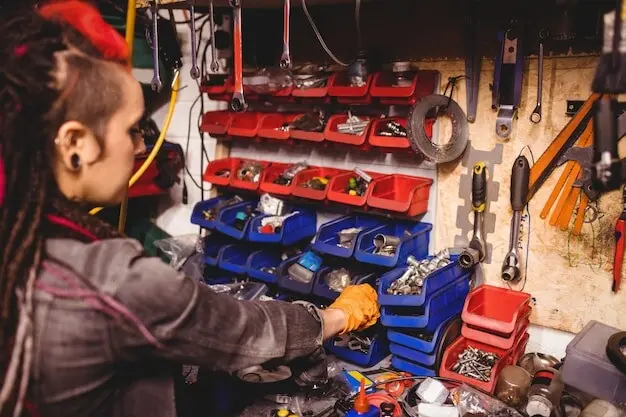
Ask hardware stores for consumables, bike shops for spare parts, and reuse centres for test items. Partner with universities for student volunteers, and with Men’s Sheds for mentoring on safe tool use. Agree expectations in writing: quantities, pickup schedules, and acknowledgement. Celebrate partners on social media, at events, and in impact reports. In‑kind contributions stretch cash further while building relationships that outlast individual grants, strengthening resilience through shared purpose and practical generosity.

Structures That Protect People and Purpose

Choose a structure that matches your risk and scale. Many start as an unincorporated association with a simple constitution and later become a Charitable Incorporated Organisation or Community Interest Company for liability protection and credibility. Define roles, decision‑making, and conflict‑of‑interest rules. Keep minutes, maintain a risk register, and adopt light, living policies. Good governance is not paperwork for its own sake; it is how volunteers trust each other, money stays safe, and learning travels.

Risk, Insurance, and Safeguarding Made Practical

Make risk visible, discuss it kindly, and reduce it together. Follow the Health and Safety Executive’s five steps: identify hazards, decide who might be harmed and how, evaluate risks, record findings, and review. Obtain public liability and, if needed, product liability insurance. Use clear disclaimers and consent forms. Appoint safeguarding and safety leads, train greeters in calm triage, and log incidents and near misses. Regular drills turn anxiety into muscle memory and confident hospitality.

Running Events People Love to Attend

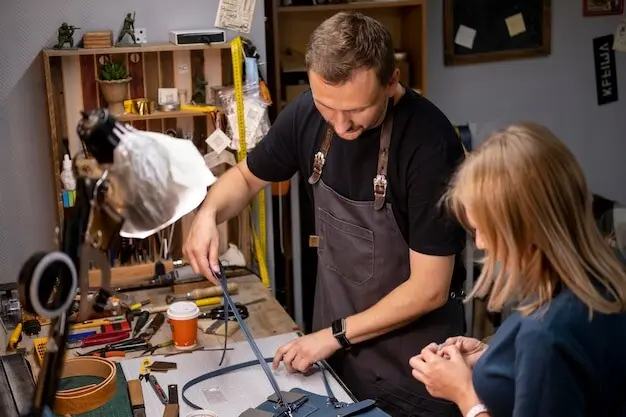
Design a welcoming flow: a cheerful check‑in, thoughtful triage, collaborative repairs, and warm goodbyes. Offer tea, celebrate small wins, and focus on teaching rather than free fixes. Keep spares organised, label tools, and schedule breaks. Record outcomes honestly, including unsuccessful attempts that still teach. In a Leeds church hall, volunteers once coaxed a cherished kettle back to life; the owner returned later with biscuits for everyone, reminding us that kindness is powerful fuel.

Grow Reach and Prove Impact

Tell clear stories, backed by numbers. Track items received, repaired, and referred; log common faults to inform workshops; estimate carbon savings using calculators from Restart and local authorities. Build a simple newsletter, share before‑and‑after photos with consent, and pitch human‑centric press releases to local media. Partner with councils, libraries, and schools to run pop‑ups. Invite feedback, publish learnings, and keep doors open to new volunteers. Momentum follows when kindness and competence travel together.

Communications That Feel Human

Use plain English, friendly photos, and consistent branding. Post event dates early on Facebook, Instagram, and Nextdoor, and pin an inviting FAQ. Offer a simple volunteer sign‑up form and reply quickly. Share short videos of diagnosing, celebrating curiosity over cleverness. Thank donors publicly, and tag partners generously. A monthly newsletter with upcoming dates, impact snapshots, and a volunteer spotlight keeps your circle warm, informed, and ready to show up when it matters.

Partnerships and Local Influence

Collaborate with council waste teams, libraries, community fridges, schools, and makerspaces. Join networks like The Restart Project, Fixing Factory, and Repair Café to exchange resources and mentors. Offer talks on designing for repair, and co‑host mending workshops with arts groups. Provide data that helps councils shape reuse policies. These relationships unlock venues, volunteers, and credibility, making your hub a trusted neighbour that helps the wider place move from throwaway habits to thoughtful stewardship.
Palotemidaxinexolento
Privacy Overview

This website uses cookies so that we can provide you with the best user experience possible. Cookie information is stored in your browser and performs functions such as recognising you when you return to our website and helping our team to understand which sections of the website you find most interesting and useful.