Repair Stories Across the UK: Circuits, Seams, and Shared Know‑How
Join a vivid journey through case studies of electronics and textile repair networks across the United Kingdom, where neighbors exchange skills and confidence grows beside soldering irons and sewing machines. We explore how shared practice reduces waste, lowers household costs, strengthens belonging, and opens learning pathways, revealing practical steps any community can take to nurture resilient, creative, and caring local economies.
Why Community Repair Works
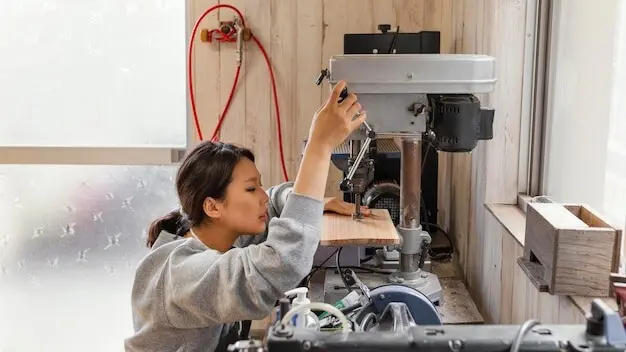
When people gather to mend a frayed cuff or coax life from a silent laptop, they do more than fix objects—they change relationships with stuff, time, and each other. Across British high streets and church halls, the combination of practical guidance and laughter turns anxiety into possibility, creating a culture where learning is celebrated, waste is questioned, and everyday tools become invitations to share competence, patience, and pride.
Electronics on the Bench: UK Examples
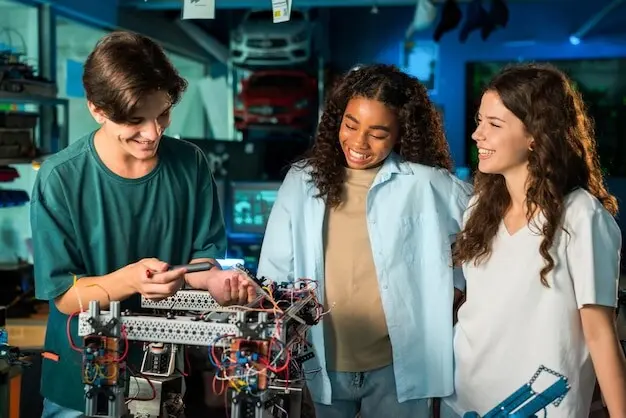
From London to Leeds and Cardiff to Glasgow, community groups host electronics sessions where laptops, kettles, printers, and game consoles meet multimeters and patience. Volunteers trained by established initiatives demonstrate diagnostic basics, advocate for safer design, and document outcomes to refine practice. These gatherings pair careful troubleshooting with warm hospitality, showing that circuits are understandable, spare parts can be sourced ethically, and data privacy can be respected while pursuing sustainable, budget-friendly repairs.
London’s Collaborative Energy
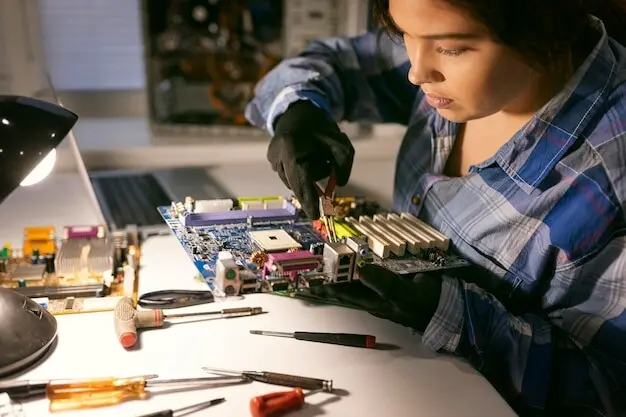
In London, lively volunteer networks coordinate pop‑up sessions, loan toolkits, and mentor first‑time troubleshooters. Events often combine triage tables and short lightning talks about power supplies, soldering safety, and data‑savvy resets. A guest arrives worried about a slow laptop; they depart with a cleaned fan, fresh thermal paste, and the confidence to back up files regularly. Records of fixes, parts used, and learning moments help sharpen practices and encourage partner libraries to host repeat events.

Northern Makers, Practical Paths
Across Manchester and Leeds, makerspaces and neighborhood venues welcome folks to diagnose toaster thermostats or revive speakers. Sessions emphasize reproducible steps: visual inspection, safe power checks, and methodical substitution testing. Volunteers share sources for components, discuss right‑to‑repair developments, and celebrate partial wins like successful data recovery or improved device hygiene. The atmosphere rewards curiosity, turning intimidating circuitry into an approachable puzzle where teamwork discovers pathways that a lone owner might never attempt.

Visible Mending as Conversation
A bright patch on a well‑loved coat becomes a walking invitation to talk. People ask how it was done, where the thread came from, and why the owner chose that color. The resulting exchanges help demystify stitching basics, encourage experimentation, and build recognition that quality repair is both practical and beautiful. In time, those conversations bring newcomers to sessions, extending confidence, reducing fast‑fashion pressure, and giving garments a second life that reflects their wearers’ values.

Shared Tools, Shared Stories
Community spaces stock sewing machines, darning mushrooms, chalk, and fabric offcuts, lowering financial barriers while sparking shared creativity. Learning travels with the tools: someone mastering a zigzag stitch becomes tomorrow’s mentor, passing along safe threading habits and tension tricks. Stories surface—grandparents who mended uniforms, tailors who settled locally, and teens discovering independence through alterations. Each tale strengthens the social fabric, connecting new techniques with heritage and turning practical sessions into memorable, friendship‑forming evenings.
Skills Exchange That Actually Sticks
Pairing learners with mentors for a single device or garment concentrates attention and reduces overwhelm. Ten‑minute micro‑workshops—replacing a plug, diagnosing a broken zip, or cleaning lint from vents—offer immediate wins and repeatable steps. Handouts summarize crucial points with sketches and safety tips, while follow‑up emails link to trusted suppliers. Participants report applying lessons months later, sharing them with friends, and returning as volunteers ready to teach the very skill that once felt impossible.
When stitchers watch careful multimeter work, patience grows for methodical testing. When tinkerers learn to baste before sewing, they better appreciate preparation. Joint sessions—patching a backpack while rewiring its broken USB lead—build empathy and flexible problem‑solving. People learn that measuring twice saves stitches and components alike, and that both crafts reward attention to material behavior. Such cross‑pollination keeps events lively, widens participation, and multiplies success stories that resonate across different interests and age groups.
Good mentorship blends enthusiasm with boundaries: clear tool inductions, child‑friendly stations, and signposted escalation for complex issues. Volunteers celebrate incremental progress and model how to pause when fatigue or frustration rises. That tone preserves safety and invites delight—the spark when a bobbin runs smoothly or a speaker finally hums. Joy is not an afterthought; it is the fuel that brings people back, helps knowledge stick, and gradually builds a culture of shared capability.

Local Outcomes You Can See and Count
Communities want proof that repair matters, beyond inspiring photos. Practical measures—items fixed, estimated replacement costs avoided, weight diverted from waste, and learner confidence—show tangible benefits. Stories add nuance: grandparents teaching teens, neighbors collaborating, and small shops gaining new customers for parts, thread, or servicing. Combining numbers with narrative convinces partners, strengthens funding bids, and guides improvements, ensuring activities remain responsive to local needs rather than chasing abstract benchmarks disconnected from lived experience.
Grow, Partner, Repeat: Scaling Without Losing Soul
Funding with Accountability
Sustainable funding blends small donations, grants, and local sponsorship while preserving independence. Clear budgets, open impact dashboards, and regular feedback sessions maintain trust. Groups pilot new formats—after‑work clinics, school pop‑ups, or housing‑estate drop‑ins—then scale what works. Simple risk assessments and equipment registers reassure partners. By foregrounding transparency and learning, teams show that every pound strengthens people, tools, and safety, ensuring supporters see visible, repeatable value rather than one‑off headlines or fragile goodwill.
Open Tools and Shared Data
Publishing how‑to guides, circuit worksheets, stitch patterns, and anonymized outcome data helps peers replicate success. Open resources reduce duplication, encourage peer review, and invite improvements from diverse communities. Shared metrics definitions—what counts as fixed, partially fixed, or learned—make comparisons meaningful across regions. When a spreadsheet or template travels from Cornwall to the Highlands, the collective knowledge grows, enabling small groups to start strong and established networks to keep evolving with evidence, humility, and creativity.
Join In Today
Bring a faulty gadget, a torn sleeve, or simply your curiosity. Subscribe for monthly stories, comment with questions, or volunteer for greeting, tea duty, or mentoring. Share your own fixes, request a workshop, or host a session at your library, school, or community hall. Every message helps shape future content and events, turning this space into a living exchange where your insights guide practical resources, welcoming formats, and the next inspiring case study.
All Rights Reserved.